

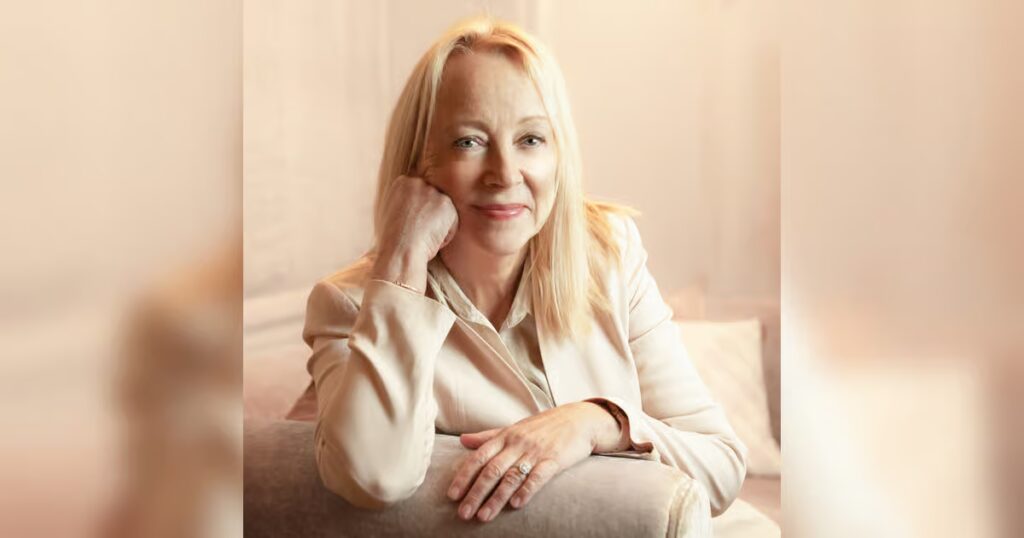
Longer life needs a plan. As healthy ageing becomes the calling of modern life, the ability to sustain it financially becomes an important talking point. Ten years ago, when Lynda Gratton — professor of management practice; academic co-director of the SARI Foundation Institute for Work, Careers and Longevity, London Business School — co-wrote The 100-Year Life with Andrew Scott, both authors drew attention to the financial implications of a centenarian life. Gratton is now out with Living the 100-Year Life, which updates the central philosophy of the previous book to examine how we can have sustainable careers that can financially support a longer life. Ahead of KT LUXE Healthy Ageing Summit all set to take place on November 25, we spoke to Gratton about what it takes to lead a centenarian life… comfortably. Edited excerpts from an interview:
What led you to deep dive into organisational theory?
I have always been interested in how people make sense of their lives: why some are able to grow and change while others become constrained by the assumptions around them. That took me first into psychology and psychometrics at British Airways, then into organisations as a consultant and professor at London Business School. Work is such a powerful force in shaping identity, confidence and opportunity.
Over time I watched the old assumptions about a working life become less reliable. People are living longer, technology is changing what work demands, and the familiar route from education to career to retirement no longer fits many lives. Organisational theory offered a way to understand not only how organisations perform, but how they shape the possibilities people have to live and work well. It also made me interested in the practical question of how people can retain agency when the world around them is changing.
You co-wrote The 100-Year Life ten years ago. How would you say that book has aged given longevity is a very important talking point today?
I think it has aged remarkably well because its central argument was never simply that more people would reach 100. It was that longer lives would change the basic architecture of life: how long we work, when we learn, how we finance ourselves, and how we think about family and retirement.
The first book’s central argument was never simply that more people would reach 100. It was that longer lives would change the basic architecture of life: how long we work, when we learn, how we finance ourselves, and how we think about family and retirement
Lynda Gratton
Ten years ago, people still asked whether longevity would really matter. Now the question is what we do about it. It has also become clear that longevity is colliding with rapid technological change, particularly AI. Someone working for five or six decades will have to adapt repeatedly. That makes the argument more urgent, not less. The book has helped give people a language for seeing longevity as a redesign challenge, rather than simply a demographic fact.
In what ways is Living The 100-Year Life a departure from the first book?
The 100-Year Life, written with the economist Andrew J. Scott, explored the consequences of longevity for pensions, careers, skills, relationships and institutions. It argued that the old three-stage model of education, work and retirement was becoming less reliable.
Living the 100-Year Life starts from a more personal question: once you recognise that you may have a much longer life, how do you live it well? It uses the image of weaving a life rather than climbing a ladder: attending not only to work and capabilities but also friendship, intimacy, calm and adventure. It is a more practical and, I hope, more human book. It is intended to help readers make choices now, rather than wait for the future to become clearer.
Living the 100-Year Life starts from a more personal question: once you recognise that you may have a much longer life, how do you live it well? It uses the image of weaving a life rather than climbing a ladder
Lynda Gratton
You say 40s is an inflection point for most executives. What is it about this decade that makes them take stock of career, health, relationships? And how can one navigate the vulnerabilities one experiences during this decade?
For many executives, the forties are where the momentum of early career meets the realities of adult life. Work demands are often highest just as children, partners, ageing parents and financial responsibilities require more attention. People begin to see that decisions made now may shape another 20 or 30 years of work.
You can be successful on paper but exhausted, highly capable but unsure that the path still fits. The answer is not a dramatic decision made in frustration; it is enough calm to take stock. Ask what is working, what is being neglected and what you want to strengthen now. Often the first step is modest: protect time to reflect, have an honest conversation, look after your health or begin learning something new. The important point is to treat the decade as a moment for recalibration, not evidence that something has gone wrong.
You can be successful on paper but exhausted, highly capable but unsure that the path still fits. The answer is not a dramatic decision made in frustration; it is enough calm to take stock.
Lynda Gratton
There is increasingly a notion post-pandemic that the concept of a career — a work trajectory where one grows and goes to the top — is over, and jobs are now means to an end. With AI playing a significant role in how we work, do you think this notion will only strengthen?
I do not think the career is over, but the old idea of a career is becoming inadequate. The traditional model assumed a clear upward path. A longer working life will also include learning, sideways moves, care, renewal, experimentation and sometimes a deliberate reduction in intensity. These are not failures of ambition; they may sustain capability and engagement across decades.
A longer working life will also include learning, sideways moves, care, renewal, experimentation and sometimes a deliberate reduction in intensity. These are not failures of ambition; they may sustain capability and engagement across decades
Lynda Gratton
AI will reinforce this shift by changing tasks and skills repeatedly. It may make some work faster or disappear, while making learning, judgment, cooperation and adaptability more valuable. Work can still offer mastery, relationships, contribution and purpose; the challenge is to create careers broad enough to hold all of those things. The question is not whether ambition remains, but how people define it at different points in a much longer life.
You talk about various threads that make living the 100 year life possible. What are these?
I use eight threads to describe the parts of ourselves that help us live and work well over a long life: mastery, cooperation, knowing, amplifying, friendship, intimacy, calm and adventure.
Mastery is the pleasure of becoming good at something; cooperation, working well with others; knowing, understanding ourselves and the world; and amplifying, using technology intelligently to extend what we can do. Friendship and intimacy sustain us; calm gives us space to reflect and judge; adventure keeps us open to new possibilities. The aim is not an ideal, balanced life. Different threads matter at different times. What matters is noticing the pattern you are creating and deciding what to strengthen next. They are not a checklist. They are a way of seeing the interdependence of the different elements of a good life.
What happens to retirement age when the 100-year-life becomes the norm? Additionally, how do we become age agnostic if we are to have a longer working life?
A 100-year life does not lead to one new, later retirement age. It makes a single fixed retirement date less useful. The more likely future is a gradual, varied transition: changing the intensity, form or purpose of work, with periods of caring, retraining or self-employment, rather than moving abruptly from full-time work to no work.
The more likely future is a gradual, varied transition: changing the intensity, form or purpose of work, with periods of caring, retraining or self-employment, rather than moving abruptly from full-time work to no work
Lynda Gratton
That will not be equally available to everyone. Health, wealth, caring responsibilities and the quality of work are profoundly unequal. If people are to work longer, work must be more sustainable, flexible and worthwhile. Becoming age agnostic means asking what someone can contribute, wants to learn and needs in support, rather than inferring the answers from their age. That requires employers to invest in reskilling, lateral moves and flexible working at every stage of the life course.
You delve deeply into the economics of 100 year life. Apart from financial challenges, what sort of mental makeup is needed for such a life?
A longer life needs more than financial planning. As the old timetable of education, work and retirement becomes less reliable, we need stronger self-knowledge: what we are good at, what gives us energy, what we value and what no longer fits. We also need to keep learning and, at times, become a beginner again.
Small choices compound over a long life: the skills we build, relationships we invest in, habits we form and health we protect. I think of these as promises to our future selves. This is not relentless self-improvement; it is agency combined with flexibility, and enough calm to make good judgments rather than simply react to the next demand. It also requires the confidence to revise a plan without treating that revision as a personal failure.
Can the modern mind — often prone to anxiety and short attention span — endure a longer life?
Yes, but not if we treat a longer life as simply more years of pressure, distraction and individual responsibility. Anxiety is understandable when the old markers of success are less reliable and work, technology, family life and retirement are all changing.
The answer is not permanent calm or endless focus. It is to create conditions that make a long life manageable: time for reflection, close relationships, practices that help us recover attention, and meaningful next steps rather than an attempt to solve the next forty years today. Calm is one of the eight threads because it is not a luxury. It is the mental space to notice what is happening, make better judgments and choose what deserves our time. We need social arrangements and workplaces that recognise attention and recovery as resources worth protecting.
Calm is one of the eight threads because it is not a luxury. It is the mental space to notice what is happening, make better judgments and choose what deserves our time
Lynda Gratton
How will a longer life determine our relationship with money?
A longer life makes money less about earning and then retiring, and more about supporting flexibility throughout life. People may need to finance retraining, caring, starting again, working less intensively or moving between kinds of work. Financial resilience, therefore, matters: not simply a pension at the end, but enough room to make choices along the way.
I would resist reducing the question to a pension pot. Skills, health, friendships, professional relationships, confidence and adaptability matter too. They do not replace money, particularly for people on lower incomes, but they expand the choices money makes possible. The challenge is to sustain a life with options, rather than simply reach a final retirement destination. For many people, this means planning for resilience and choice, not merely trying to predict one distant end point.
Having written two books on longevity, can you say what makes a centenarian life appealing to people?
What appeals is not the number 100 in itself. A longer life is not appealing if it means extending ill-health, loneliness or financial insecurity.
What is appealing is the possibility of more life: more time with people we love, more chances to become good at something, begin again, contribute, see children and grandchildren grow, and have experiences we cannot yet imagine. For me this became personal when I realised I might have almost forty years that my father never had. That is an extraordinary gift, but it raises a question: how will I use that time? A longer life gives more room for second and third chapters, if we prepare through relationships, capabilities, curiosity and purpose as well as money and health. Its promise depends on making the extra years healthy, connected and purposeful, rather than simply longer. It asks us to think seriously about what makes time meaningful, and to build that life deliberately.
Source: Khaleej Times