

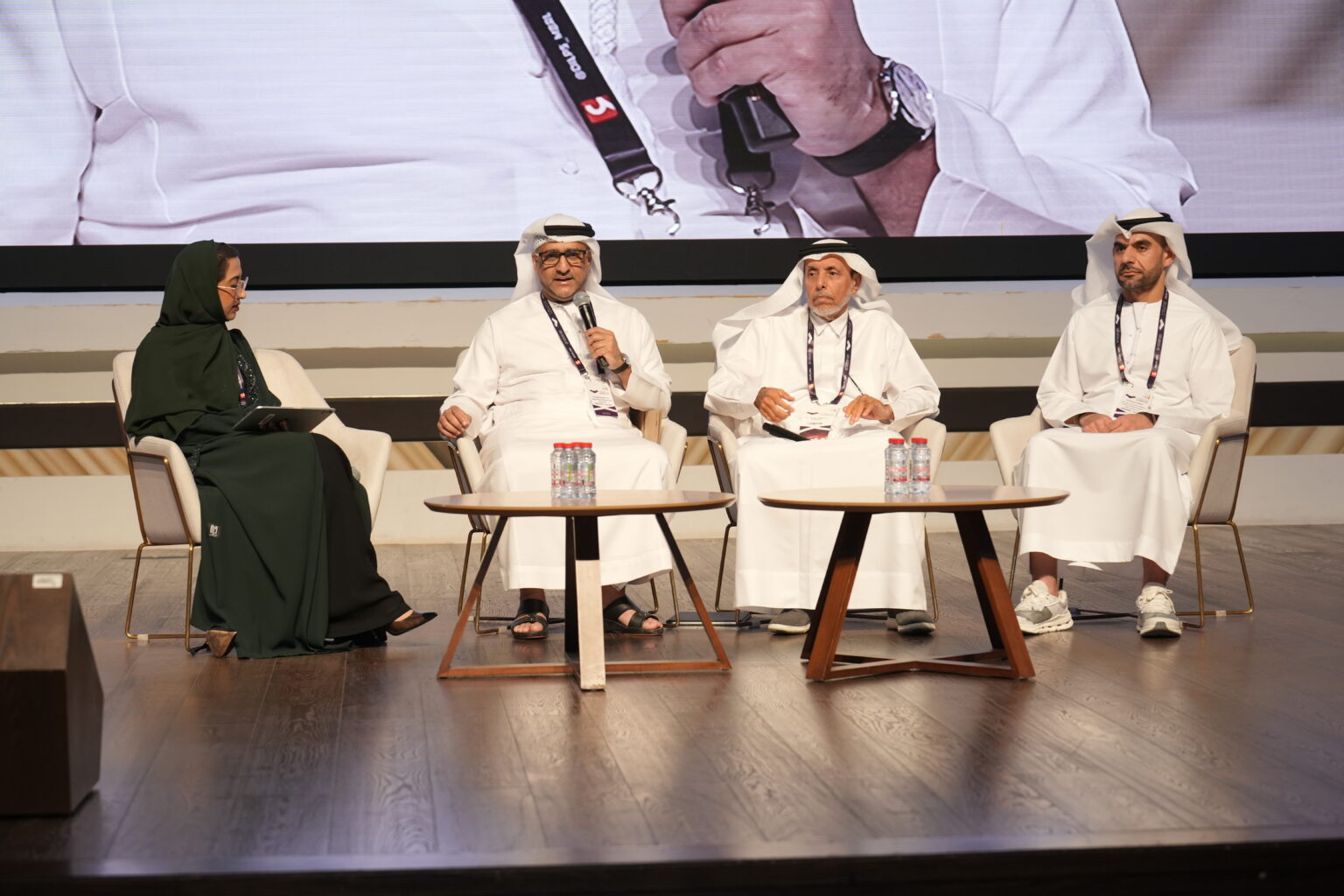
ADUBAI, 17th November, 2026 (WAM) — Dr. Abdullah Majid Al Ali, Director-General of the National Library and Archives (NLA), revealed that the number of items held by the National Archives and Library is expected to increase from more than 27 million currently to 50 million within less than 10 years. This growth comes amid the expansion of digital preservation projects and the use of artificial intelligence technologies to safeguard the UAE’s national memory and enhance access to reliable knowledge resources.
This was announced during his participation in a session entitled “Artificial Intelligence and the Responsibilities of Knowledge Institutions”, held as part of the third edition of the Dubai International Library and Publishing Summit 2026. Organised by the Library over two days, 16 and 17 November, under the theme ”The Architecture of Trust: AI and the Future of Knowledge Institutions”, the summit brings together more than 50 speakers and moderators representing over 50 local and international entities. Its programme features more than 25 sessions and discussions exploring the future of knowledge and the responsibilities of cultural institutions in the age of artificial intelligence.
Al Ali affirmed that the NLA has made significant investments in digitising and preserving more than 27 million items, drawing on institutional expertise accumulated since 1968, alongside the development of an integrated technological infrastructure and specialised capabilities in information preservation, classification and accessibility.
He revealed that more than 13 artificial intelligence agents have been developed to assist in understanding, classifying and providing access to content, as well as monitoring related processes. He stressed, however, the importance of continued human oversight to regulate these processes and verify the accuracy and reliability of information.
He explained that approximately 30% of the National Archives and Library’s budget is allocated to information technology, programmes and related systems. He noted that this proportion is expected to increase in light of the rapid advancement of artificial intelligence technologies and the growing requirements of digital infrastructure and cybersecurity.
He also highlighted that the rising costs of developing systems and servers, as well as protecting information, make it essential for knowledge institutions to strengthen cooperation and pool their financial and human resources. This would help improve spending efficiency and avoid duplication of projects.
Al Ali stressed that cybersecurity represents one of the most significant challenges facing archival institutions, given the growing risks associated with data theft, information manipulation, deepfakes and service disruptions. He noted that the National Archives and Library uses systems isolated from communication networks to protect certain sensitive information and archival materials.
He explained that protecting documents and historical sources against cyberattacks, alteration and falsification is a fundamental priority to ensure the integrity and reliability of archival content and preserve the UAE’s national memory for future generations.
He said that the challenges facing knowledge institutions in the age of artificial intelligence extend beyond technological considerations to include ethical issues and intellectual property rights. This is particularly important given that AI models rely on vast quantities of data and information that knowledge institutions have invested considerable financial and human resources in collecting, digitising and documenting.
He highlighted the importance of establishing clear frameworks governing the relationship between institutions that produce knowledge content and developers of artificial intelligence systems. Such frameworks should strike a balance between disseminating and providing access to knowledge, protecting intellectual property rights, and safeguarding investments made in producing reliable information.
He affirmed that the National Archives and Library’s priorities for the coming period include strengthening sustainable digital preservation, developing common standards for describing data and information, and facilitating their exchange and accessibility among knowledge institutions in the UAE and the Gulf Cooperation Council (GCC) countries.
Source: Emirates News Agency