

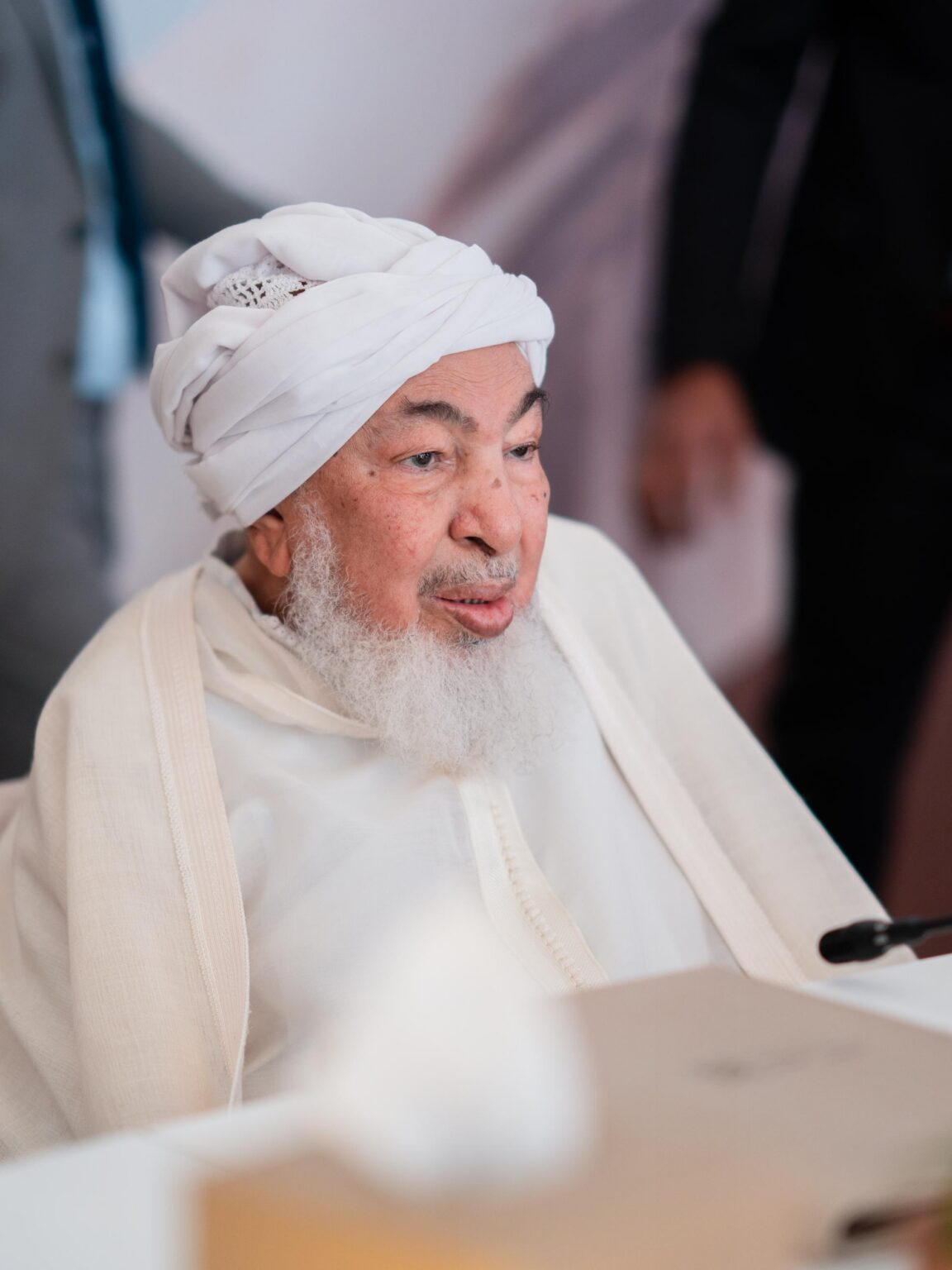
RABAT, 20th October, 2026 (WAM) — Sheikh Abdullah bin Bayyah, Chairman of the UAE Council for Fatwa, has highlighted the longstanding UAE-Morocco relations and the role of institutional fatwas in promoting peace, trust and coexistence.
Addressing the opening of the forum “Institutional Fatwa: A Pillar of Peace and Coexistence”, bringing together the UAE Council for Fatwa and Morocco’s Supreme Council of Ulema, he said bilateral ties were established by the late Sheikh Zayed bin Sultan Al Nahyan and King Hassan II and continue to flourish under President His Highness Sheikh Mohamed bin Zayed Al Nahyan and King Mohammed VI.
He highlighted the countries’ shared scholarly traditions, particularly the Maliki school of jurisprudence, as a foundation for cooperation between their fatwa institutions.
Bin Bayyah stressed that institutional fatwas help safeguard societies against discord and strengthen public trust, particularly amid increasingly complex religious questions and challenges posed by artificial intelligence, including inaccurate or misattributed rulings.
He called for combining scholarly jurisprudence with specialist expertise, verifying sources and distinguishing individual rulings from matters of public concern.
He said institutional fatwas help prevent unqualified rulings, resolve crises and reinforce social stability, outlining a three-stage approach covering diagnosis, jurisprudential assessment and consideration of consequences.
Citing the UAE Council for Fatwa’s work on COVID-19, DNA-based paternity determination and insect-derived protein alternatives, he proposed four areas of cooperation: joint fatwa standards, scholarly consultation and research exchange, monitoring AI-generated religious content, and training muftis and researchers.
He said these initiatives would strengthen scholarly integrity, respect legitimate differences and national particularities, and promote peace and coexistence.
Source: Emirates News Agency